
Programs & Services
ESL &
Multilingual Support
Structured English language instruction and family support that help multilingual students build proficiency and keep pace with grade-level learning.
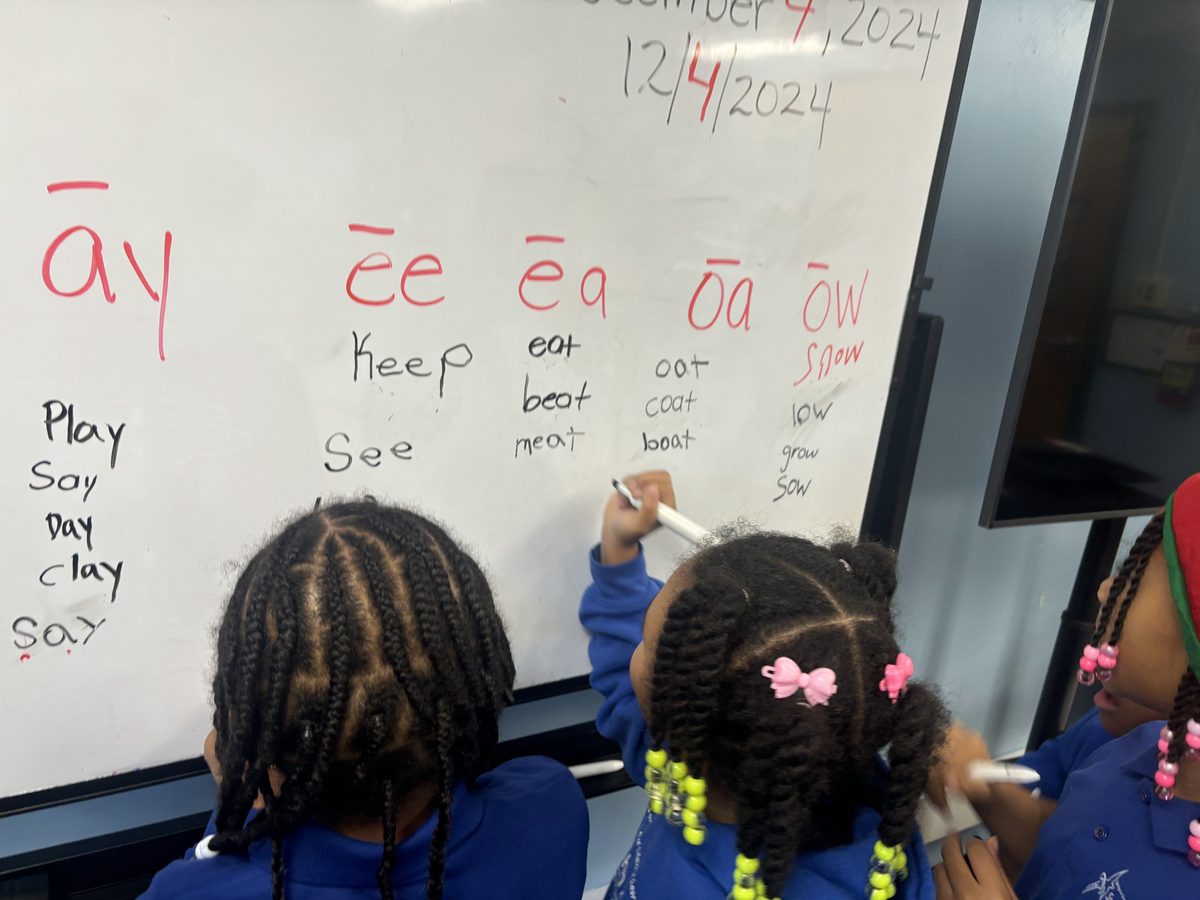
Supporting English Learners Without Lowering the Bar
English learners and multilingual students are a growing part of nonpublic, charter, and faith-based school communities. They bring bilingualism and cultural knowledge to the classroom, and they also need deliberate support to access academic content while their English develops.
AAIC's ESL & Multilingual Support program provides structured, level-appropriate instruction that builds English proficiency while keeping students connected to grade-level content. Our instructors work alongside classroom teachers, so what students practice with us reinforces what they are learning all day.
Family communication is part of the work. AAIC provides family materials in English and Spanish, so the connection between school and home stays strong.
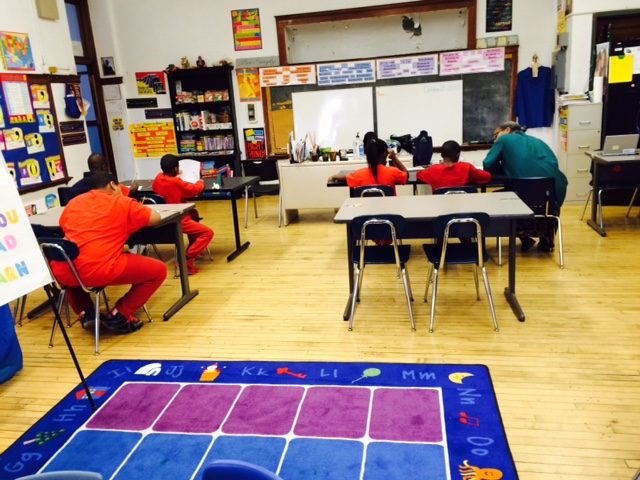
Our Approach
Language Proficiency Assessment
Students are assessed in reading, writing, speaking, and listening using validated English language proficiency tools. This gives each student a clear starting point.
Differentiated Instruction
Instruction is matched to proficiency level, from newcomers to long-term English learners, so every student works on the skills they need next.
Academic Language Development
We teach the vocabulary and text structures students meet in math, science, social studies, and reading, which differ from everyday conversational English.
Sheltered Content Instruction
Instructors use sheltered strategies to make grade-level content understandable without reducing rigor.
Multilingual Family Engagement
AAIC provides family materials in English and Spanish, selected for each school's student population.
Progress Monitoring & Reporting
Language development is monitored regularly and reported to school leadership, with documentation aligned to Title III requirements.
How We Show Up at Your School
Every program starts with clear communication with school leadership and stays consistent throughout the year.
Push-in and pull-out models
In-class support or small-group instruction, depending on student need and your school's schedule.
Culturally responsive instruction
Students' home languages and cultures are treated as assets, and instruction builds on them.
Bilingual materials and resources
AAIC provides family materials in English and Spanish.
Title III eligible
ESL and English language acquisition services are an allowable use of Title III funds for eligible students. AAIC provides the documentation your school needs.
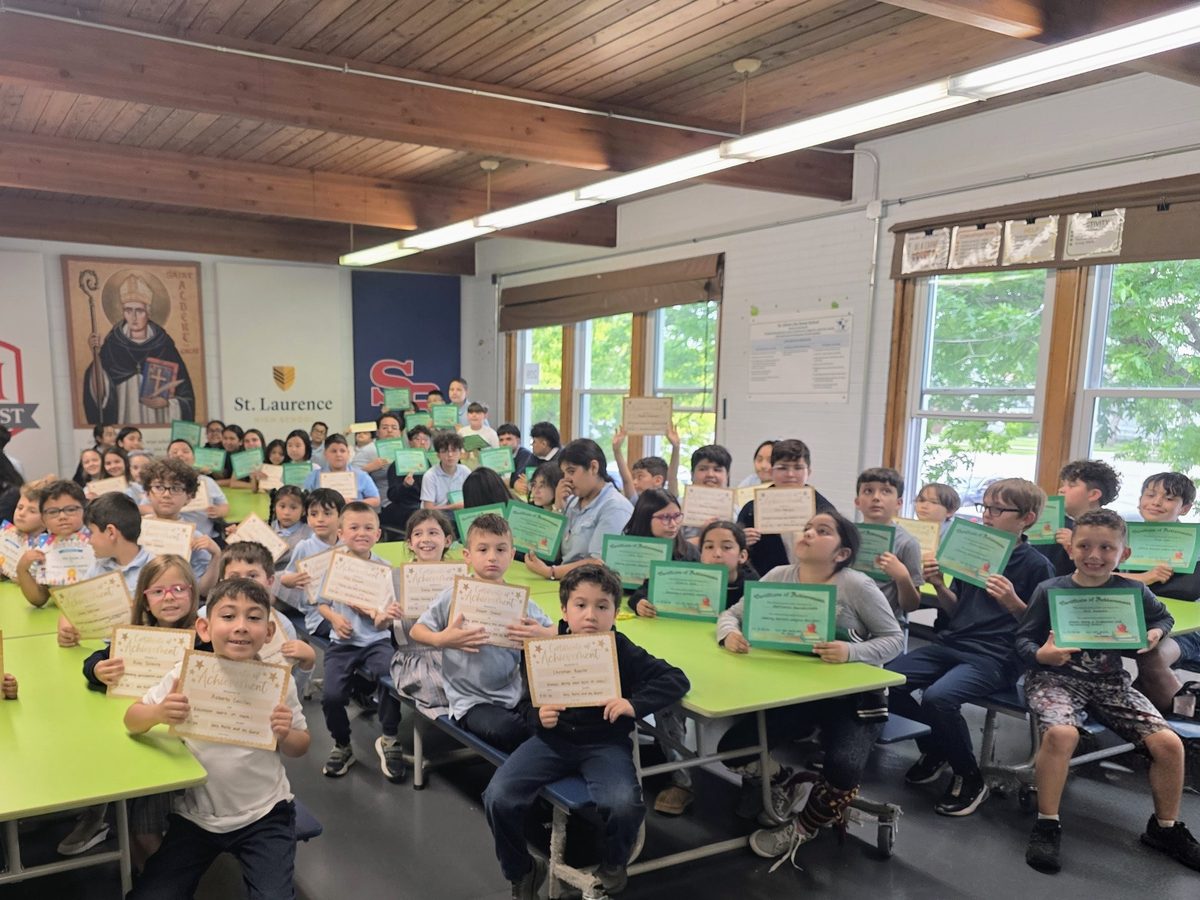
What Schools Are Seeing
"AAIC's multilingual support has been a game-changer for our English learner families. They feel seen and supported."
"Our English learners are making measurable gains in both language proficiency and academic achievement."
"AAIC understands that supporting English learners means supporting their whole family."
ESL & Multilingual Support Questions
What languages does AAIC support?
Our instruction focuses on English language development for students whose home language is not English. AAIC provides family materials in English and Spanish.
Is ESL support eligible for Title III funding at nonpublic schools?
In many cases, yes. Under ESSA, Title III funds can support equitable services for eligible English learners in nonpublic schools. AAIC works with your school to confirm eligibility and provides complete compliance documentation.
Does AAIC replace the classroom teacher for English learners?
No. AAIC provides supplemental instruction that complements the classroom. We coordinate with teachers so students get consistent support.
What is academic language and why does it matter?
Academic language is the vocabulary and sentence structure used in school subjects, which differs from everyday speech. A student can hold a fluent conversation and still struggle with a science text. We teach academic language directly so students can fully participate in class.
How do you decide which students receive services?
We begin with a proficiency assessment, then work with school leadership to group students by need and set a schedule that fits the school day.
Ready to Bring This Program to Your School?
We'll build a plan around your students, your staff, and your funding.